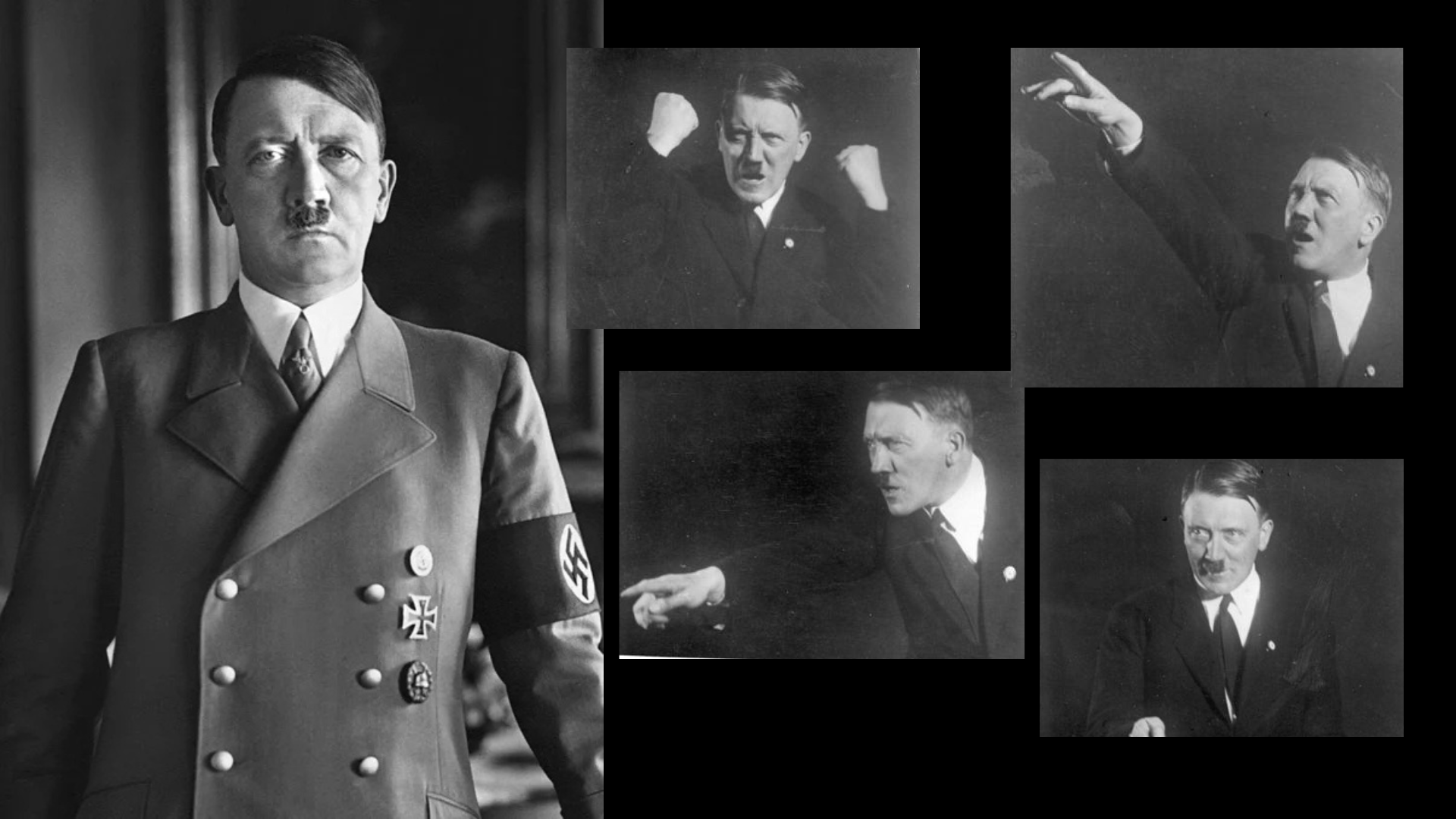
The Nazis looted huge amounts of gold, treasure, and artworks. Hollywood heroised the Monuments Men – museum curators and arts professors within the American armed forces – who recovered much of the stolen Nazi treasure. But not all of it. After the war, those who went looking for what was still missing were reportedly killed by mysterious assassins.
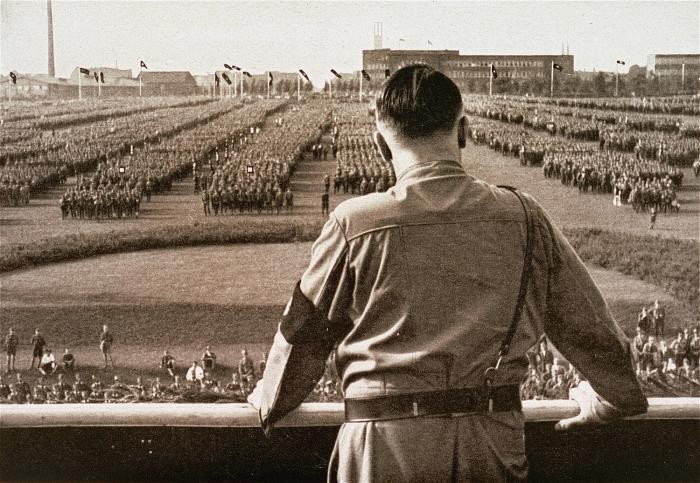
When the Nazis conquered most of western and central Europe, they looted many art treasures raiding museums, galleries, and private residences. This was theft on a grand scale. Family fortunes and state assets were robbed and then shipped to the dark heart of the Third Reich. When Hitler faced defeat in 1945, much of this Nazi treasure was hidden in mountain tunnels and salt mines.
Nazi treasure seekers mysteriously murdered by assassins
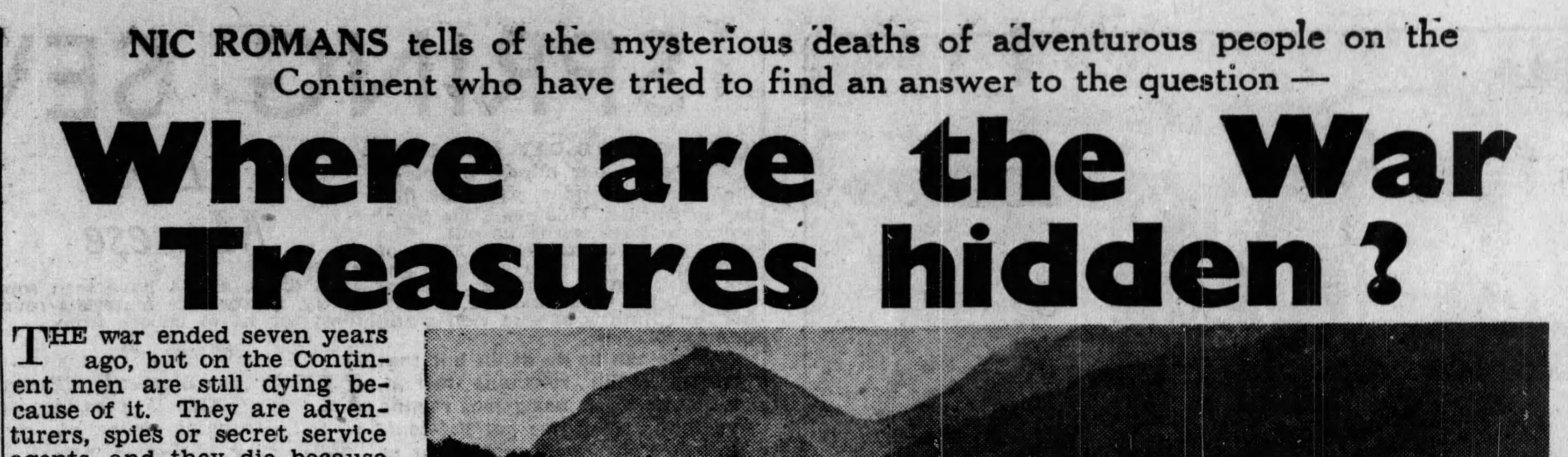
Much of it was recovered but it’s believed that some priceless items are still missing. This has given rise to a slew of conspiracy theories. So, what is fact – and what is fiction? In 1952, the Irish Independent newspaper ran an intriguing article claiming that adventurers looking for missing Nazi treasure had been dying under suspicious circumstances:
“For six years, strange crimes have been committed in these mountainous hideouts. Anyone who seems to be on the track of the treasure is immediately killed. Unknown men are believed to be keeping secret watch over the hiding places.”
Among those digging up Nazi treasure were….Nazis. The aide-de-camp to Martin Bormann, Hitler’s private secretary who was hanged by the Allies in 1945, was detained after trying to make off with a huge haul of gold pieces he had retrieved. Obviously these Nazis knew exactly where to look. But for non-Nazi opportunists, it was a genuine treasure hunt. Only it was feared that assassins linked to the Third Reich were making sure they never got their hands on the goods.
At Salzkammergut, in the picturesque Austrian Alps, the Nazis are estimated to have hidden 10,000 artworks. About 1,428 pieces came from Austrian museums such as the Belvedere. In the closing years of the war, artillery trucks were loaded with works by Vermeer, Rembrandt, Tintoretto, and Peter Brueghel the Elder. There was also Michelangelo’s Madonna of Bruges, wrapped in a bed mattress. A medieval triptych by Jan van Eyck, looted from Ghent cathedral in modern Belgium, ended up in the Altaussee salt mine.
Rommel’s Nazi treasure
Nazi Field Marshal Erwin Rommel fought the Allies in north Africa. But his men were also busy looting artworks across Tunisia. After the war, a former SS officer, Peter Fleig, living in Stuttgart, claimed Rommel’s treasure had been buried off the coast of Corsica. Fleig was a trained diver involved in placing the sealed caskets of priceless items on to the seabed. He asserted that people had been killed by assassins when trying to dredge up the ill gotten gains.
Illustrating how fact and fiction intermingle when it comes to this subject, the author Ian Fleming has two divers murdered looking for Rommel’s treasure in his James Bond novel, On Her Majesty’s Secret Service.
So, did secret Nazi assassins guard the Third Reich’s treasure in the hope that one day they could retrieve it? Simple answer – we don’t know. But some people do seem to have vanished while on the trail.
NOTE ON THE AUTHOR:
Tony McMahon is an investigative historian often see on TV: https://tony-mcmahon.com/
He is the author of several books on different historical topics including the Knights Templar: https://www.pen-and-sword.co.uk/The-Knights-Templar-Hardback/p/51654
Tony is the co-host of the Talking Templars podcast on YouTube and other channels.