Frankenstein is one of the greatest horror stories of all time. But the author of the original novel, Mary Shelley, published the book anonymously. Because in the early 19th century, the idea of a woman penning such a monstrous tome was unthinkable. Plus Mary already had reputational issues!
In the review below of Frankenstein that appeared in The Morning Post in May 1818, it’s quite clear that the author is imagined to be male. The idea of a female writer being the creator of this tale was beyond comprehension. In fact, many thought that Mary’s husband, the famous poet Percy Bysshe Shelley, was the unnamed author. To his credit, he encouraged Mary to put pen to paper but understood the disapproval she faced if her identity went public.

Mary had a rather unorthodox life. She was the daughter of an early anarchist theorist, William Godwin, and as a young woman, eloped with the still-married Percy Shelley, who had been a follower of Godwin’s ideas. They only married when Shelley’s wife committed suicide. All of this scandalised Regency era England.
Mary and Percy were part of an intellectual set that included Lord Byron and Dr John Polidori. Byron was the talk of high society, but not in a good way. Rumours circulated that he was having an incestuous relationship with his half-sister. As a student at Cambridge university, he had kept a bear as a pet. He kept it for a while after leaving college, letting it roam the grounds of his estate along with an allegedly tame wolf.
In 1816, Byron, Polidori, and the Shelleys spent a few days together at the Villa Diodati, near Lake Geneva in Switzerland. This short vacation attracted rumours of debauched partying and undoubtedly spawned the Frankenstein story, as well as Polidori’s horror classic, The Vampyre.
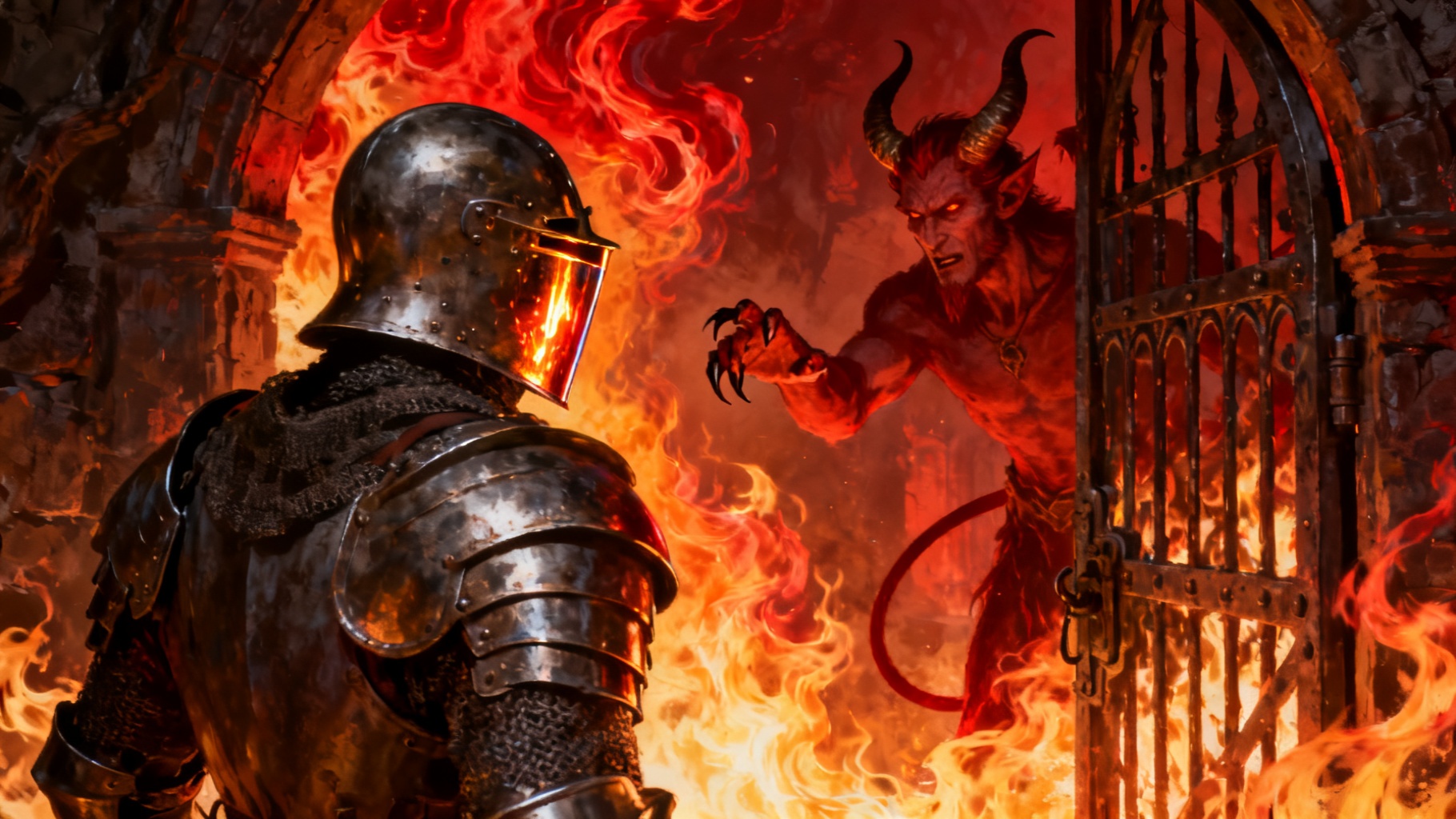
In the 1986 movie Gothic, the director Ken Russell depicted the Villa Diodati holiday as an orgiastic riot of sex, drugs, and psychological terror. Fuelled by laudunum (opium dissolved in alcohol), the group experienced frenzied visions of headless babies and nipples with eyes. In an ill-advised séance, they managed to summon up real ghosts and demons.
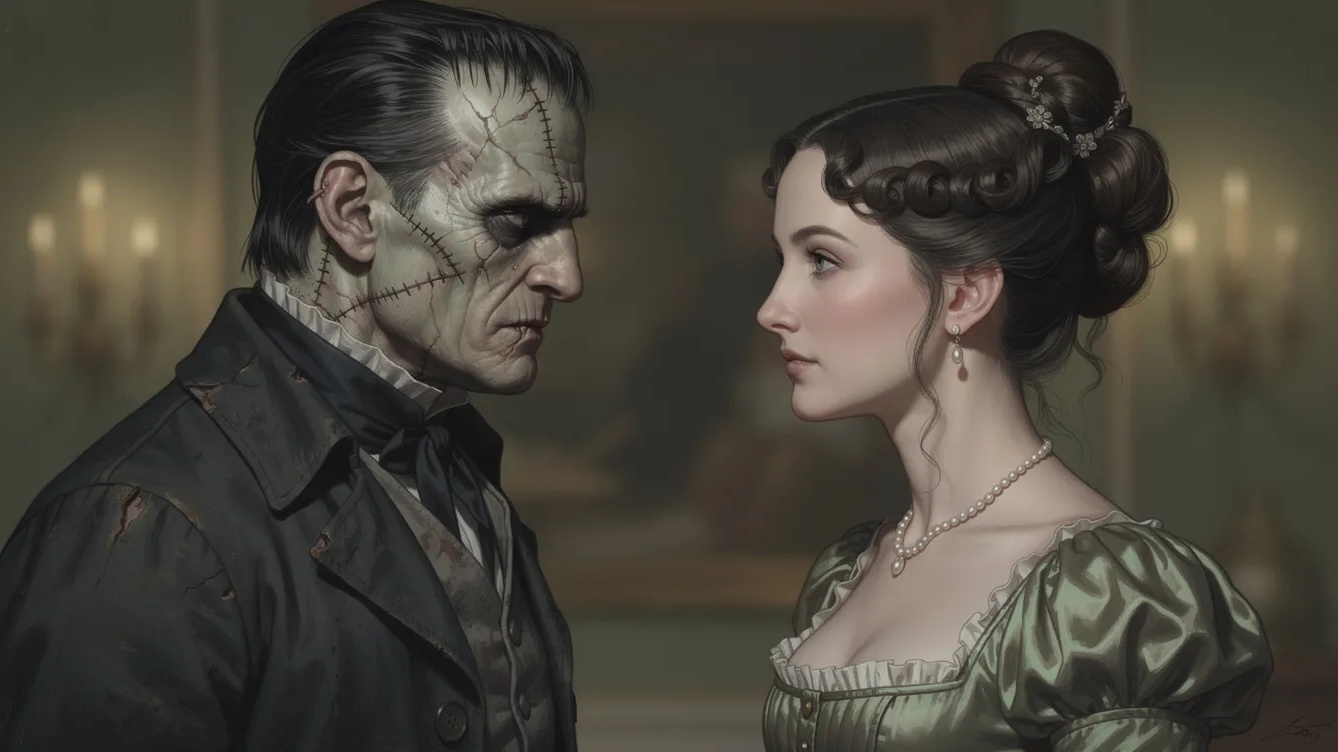
Frankenstein was a runaway success, once published. It was a cautionary tale on the excesses of science, untempered by morality. A scientist, Victor Frankenstein, has discovered the secret of creating life. Using a selection of body parts, he fashions a creature that he then finds grotesque and abandons it. But like all humans, it has feelings. Resentful at being scorned by its creator, the creature kills those that Frankenstein loves.
Eventually, the doctor meets the monster he brought into the world. It demands a female companion. Frankenstein agrees but having brought a female being into existence, he destroys her. Why? He fears that his two creations could bring a race of monsters into being. That is too awful to contemplate.
The story is told by a dying Victor. He has tracked the monster to the Arctic but is now succumbing to pneumonia and exhaustion. Captain Robert Walton, who is leading a North Pole expedition, has found the doctor at death’s door and is told everything. Then the monster shows up. Victor is dead. It expresses remorse and then promises to kill itself. And so ends the tragedy.
In 1823, Mary Shelley was being credited as the author of Frankenstein though still referred to as “Mrs Shelley, wife of Mr Percy Bysshe Shelley”. By the 1830s, Mary Shelley’s talent was beyond dispute. When she brought out a romantic novel, Lodore, in 1835, The Morning Post newspaper waxed lyrical about it.
The new book, it declared, “involves incidents to the full as remarkable as those in her first romance, by which she at once rose to the highest degree of fame as a writer of fiction”. It went on to declare that “the genius of Mrs Shelley is original and daring, and her works have won for her the eulogies of the master-spirits of the age”.
NOTE ON THE AUTHOR:
Tony McMahon is an investigative historian often see on TV: https://tony-mcmahon.com/
He is the author of several books on different historical topics including the Knights Templar: https://www.pen-and-sword.co.uk/The-Knights-Templar-Hardback/p/51654
Tony is the co-host of the Talking Templars podcast on YouTube and other channels.