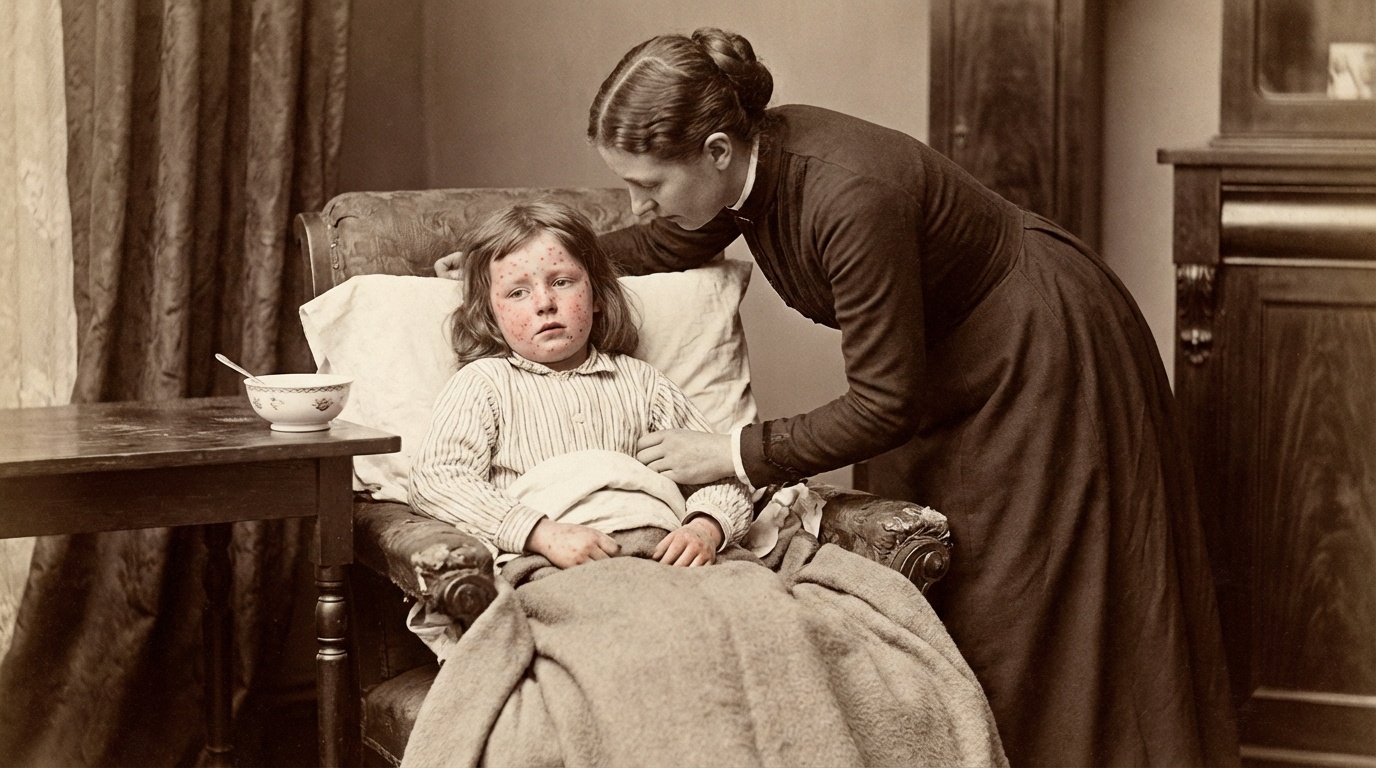
London has seen an outbreak of measles in schools impacting children who have not been fully immunised. This is astonishing given that the measles vaccination has been with us since 1963, consigning to history the epidemics that used to sweept the city every other year, resulting in over half a million cases. Small children were at particular risk of serious side effects, including death.
It doesn’t take a great deal of research in a newspaper library to discover how measles used to impact London. With alarming regularity, the London County Council (LCC) warned the public that the disease was on the way. Once it reared its head, every borough braced for hospitalisations.
In 1931, Londoners were alerted to yet another measles epidemic. The Fulham and Hammersmith Chronicle commented on the familiar two-yearly cycle. The epidemic typically began in the late autumn, reaching the mid-point in March of the following year, and took about six to seven months to “complete the circle of London”.
1929-1930 had seen the last occurrence and now another one was due. Can you imagine what it was like to wait for these mini-plagues to make their unstoppable way across the city? Here is the newspaper report, based on findings by the LCC.

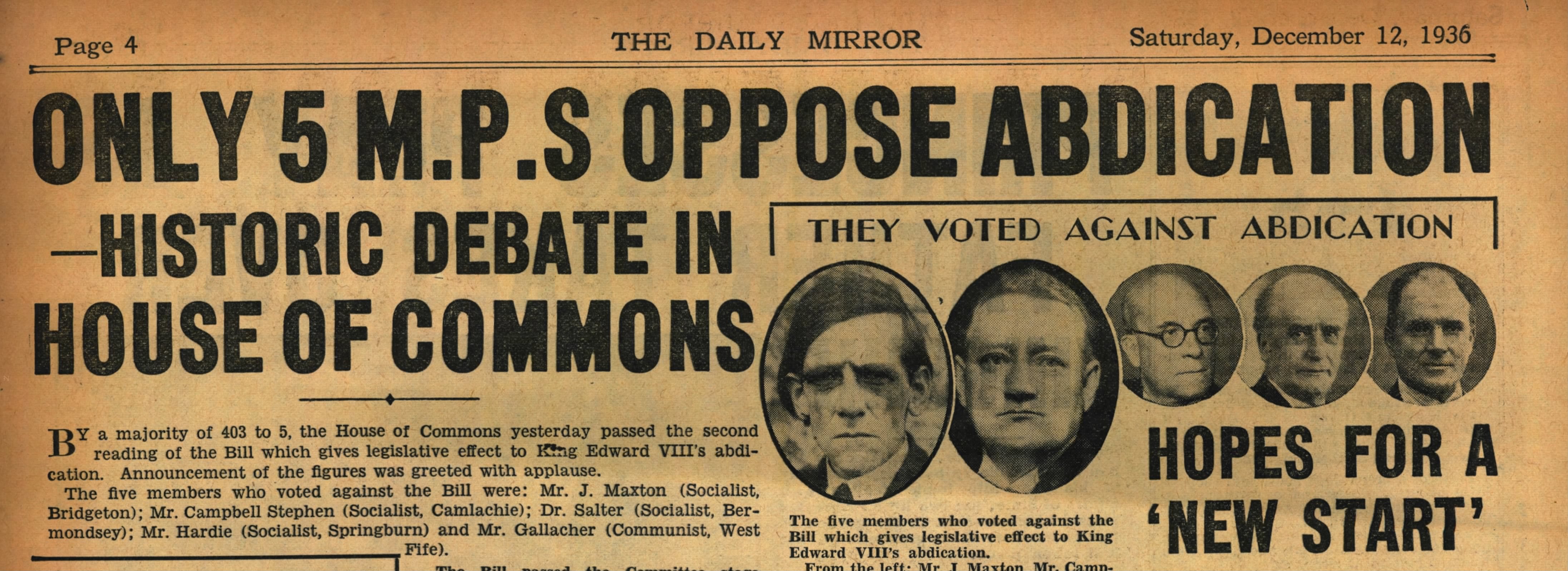
In 1936, that year’s wave of measles cases in London led to a hundred hospital admissions a day and the LCC asking voluntary nurses to step forward and help hospitals to cope. Remember, this was before the establishment of the National Health Service (NHS) by a Labour government in 1948. Here is the newspaper coverage from 1936.

Bexley saw 1300 cases of the disease in one epidemic in 1953, while in 1959, a measles outbreak in Ilford, north east London, hospitalised 66 children. As early as 1948, doctors in Manchester were trying to immunise children but the only hope was temporary protection.

DISCOVER: Inside a British lunatic asylum
It was in the 1960s, the decade in which I was born, that the measles vaccine was rolled out to millions of relieved mothers, who could now protect their children. In 1965, the Harold Wilson government gave the green light to a national programme of vaccinations. In that year’s epidemic, 20,000 people a week were going down with the disease.
By 1969, measles cases were slumping in the UK. In the United States, the only areas to see persistent levels of pre-vaccine measles were what one newspaper termed “hard-core ghetto areas” where money and staff were short.
Two diseases eradicated in the UK thanks to vaccinations were diphtheria and polio. From 1940, children were given anti-diphtheria jabs and by the mid-1950s, it was a disease of the past. Anti-polio jabs began in 1956 and it took until 2003 for the UK to be declared polio-free. Celebrities who contracted polio in the bad old days included the British pop stars Steve Harley (Cockney Rebel) and Ian Dury (The Blockheads) and global pop stars, Neil Young and Joni Mitchell.
Hard to imagine now, but polio sparked panic when epidemics broke out. It was often stated that nuclear war and polio were America’s greatest fears in the 1950s. In 1952, across the United States, there were 57,000 polio cases with 21,000 people paralysed, and 3,000 deaths. Children were left disabled for life.
FIND OUT MORE: Polio epidemics in the 1950s
Anti-vaxxers and measles in the 1970s
However, by the 1970s, the vaccine sceptics were mobilising. There had been a long-running campaign against vaccinating, going back to the 19th century when Edward Jenner developed the first cowpox jab. I’ve mentioned elsewhere on this blog that the author George Bernard Shaw ran an especially vicious campaign against the smallpox vaccine – a disease now completely eradicated worldwide.
As you can see below, vaccine sceptics have been using the same arguments for decades – for example, that the lowering in cases of conditions like measles is due to social conditions improving and not medical advances. However, the rapid rate of decline suggests otherwise. This article from 1973, while recognising that polio and diphtheria had been swept away, thundered that there was no need for “cocktails” of jabs and children were being used as “pincushions”.

FIND OUT MORE: A warning to anti-vaxxers from history
Scare stories about the measles vaccine have emerged, on occasion, from within the medical community. For example in 1995 there was an article in the Lancet suggesting that the jab could contribute to Crohn’s disease. But two years later, in the same publication, scientists ruled out that link.
A supposed link to autism has caused grave concern among some parents even though the evidence against this is overwhelming. The problem is that even when health professionals prove that autism is not linked to measles, conspiracy-minded parents view that as clear evidence of Big Pharma’s all prevailing influence. So, there is no way to convince Mums and Dads caught in the headlights of medical disinformation.
The MMR combined vaccination – against measles, mumps, and rubella – has become the favourite target of the anti-vax lobby. As a result of unjustifiable fears being raised, there has been a renewed rise in cases. So much so that the World Health Organisation has removed the UK’s measles-free status. Events in north London schools will only vindicate this decision.
How much longer until we see a return to two-yearly epidemics in the city? Hopefully never – so get vaccinated people!