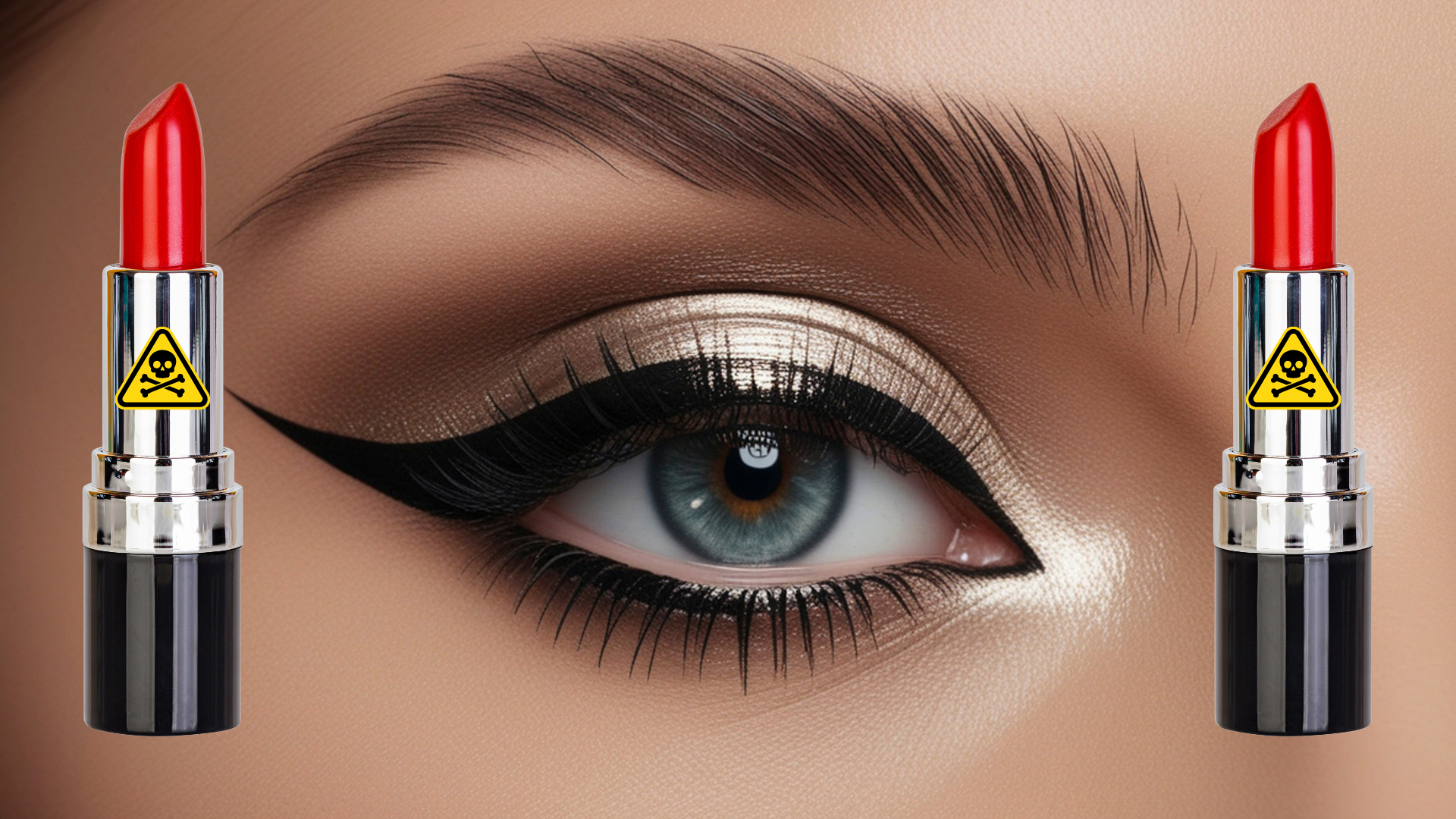
From lead-laced face powder to jawline-shattering surgery, the lengths people have gone to look beautiful have often been lethal. We are still prepared to use dangerous cosmetics and dubious medical procedures to look amazing. Our ancestors made the same mistake. Here is the full, unflinching story.
Beauty has always come at a price. Sometimes that price was vanity, inconvenience, or discomfort. But across six thousand years of recorded history, the cost has frequently been something far steeper: neurological damage, organ failure, disfigurement, and death. What makes this history so haunting is not just the suffering — it’s how often that suffering was knowingly accepted, cheerfully dismissed, or simply not understood. The human desire to conform to a beauty ideal has proven, again and again, to be more powerful than the instinct for self-preservation.
This is not a story of ignorance alone. It is a story of social pressure, cultural coercion, commerce, and the astonishing plasticity of what we are willing to endure in order to be considered beautiful.
Take for example, the 1920s craze for radium cosmetics. Women bought face creams that promised to give them an “atomic, energetic glow”. In 1923, scientists took a jar of cold cream for sale in pharmacies to test it for radium. Not to warn women about the cancerous effects of radium, but to make sure there was radium present and women were not being short changed!!

Ancient Egypt: The Birth of the Beauty Industry
The Egyptians invented the beauty industry in almost every meaningful sense. They produced the world’s first cosmetics, the first perfumes, the first dedicated beauty tools. They also produced some of the first recorded cases of cosmetic poisoning.
Kohl — the black liner worn by virtually everyone in ancient Egypt, men and women alike — was made from galena (lead sulphide), malachite, and soot. The Egyptians were not entirely naive about its properties: they believed kohl had medicinal benefits, protecting the eyes from the glare of the sun and warding off flies and infection. There is even some evidence that low concentrations of lead salts may have had a mild antimicrobial effect. But chronic lead exposure accumulates in the body. Over a lifetime of daily kohl application, Egyptian men and women would have absorbed enough lead to cause cognitive impairment, irritability, fatigue, and damage to the kidneys and nervous system — symptoms they likely attributed to everything except their eye makeup.
Ceruse, a white lead-based face paint, was also used in Egypt and across the ancient world, though it would reach its deadly peak much later in European history. In small doses its cosmetic effects were striking — a luminous, porcelain complexion that no natural skin could match. In large doses absorbed through prolonged skin contact, it caused hair loss, skin damage, swollen gums, palsy, and eventually death.
What is remarkable about ancient Egypt is how systematically beauty was pursued. There were professional perfumers, cosmetic surgeons of a kind, and elaborate beauty rituals described in texts. The Ebers Papyrus, dating to around 1550 BCE, contains recipes for hair growth treatments, anti-wrinkle preparations, and remedies for spots. The risks were not understood in any modern toxicological sense, but some of the more aggressive treatments — particularly those involving animal fats, metal compounds, and caustic plant extracts — would have caused significant skin irritation and worse.
Between the years 1353BC to 1336BC, Egypt’s capital moved to the new city of Amarna, ruled by the pharaoh Akhenaten who changed the whole artistic aesthetic. The royal family were depicted with androgynous features and elongated skulls and limbs. Artefacts on display in Berlin, Germany, can be very unsettling, even for modern eyes. This radical departure from the norm was linked to religious changes with the sun god Aten being elevated above all the other gods. However, the experiment ended when Akhenaten’s reign ended abruptly.

With the discovery of Tutankhamun’s tomb in 1922, there was a huge vogue in Europe and the United States for the ancient Egyptian look in the 1920s, exemplified by this newspaper advert from the decade.

DISCOVER: Teen diets in the 1940s
Ancient Greece and Rome: Pale Skin and Deadly Foundations
Across the ancient Mediterranean, white skin was the dominant beauty ideal for women. It signified wealth (you were not labouring outdoors), purity, and femininity. The problem was achieving it convincingly. The solution was ceruse — white lead paint — applied thickly to the face, neck, and chest.
Roman women were devoted to it. Ovid complained about it. Pliny the Elder described its manufacture and noted, without apparent alarm, that it was made from lead corroded with vinegar. The resulting paste was applied daily, sometimes mixed with chalk or white clay to extend it, and it produced the desired alabaster effect. It also, over months and years, destroyed the skin it was meant to beautify. The lead ate into the epidermis, causing dark spots, roughening the texture, and eventually producing the very blemishes it was applied to conceal — creating a dependency cycle that would persist in one form or another for centuries.
The process for manufacturing this lead-based cosmetics was almost identical to how lead-based white paint for buildings is made. Women were literally painting their faces with the same material used for walls in modern times.
Roman women also used antimony (kohl made from stibnite) as eye liner, vermillion (mercury sulphide) as a lip and cheek colour, and various herbal preparations to lighten the hair. Mercury is one of the most potent neurotoxins known to science. Even low-level chronic exposure causes tremors, memory loss, mood disorders, and eventually kidney failure. Roman women who used mercury-based cosmetics daily were likely experiencing neurological effects they had no framework to understand.
Body hair removal was also a Roman obsession. Depilatory creams made from caustic lime, arsenic, and resins were used on the legs and body. Arsenic, another cumulative poison, would have been absorbed through the skin with repeated use.
Were they aware of the risks? Some were. Pliny catalogued the toxic properties of lead and mercury in his Naturalis Historia, but his warnings were largely ignored by the women who used these products — much as modern warnings about tanning beds are ignored by the people who use them.
The Middle Ages and Renaissance: Arsenic Complexions and Belladonna Eyes
The medieval period brought a temporary shift in ideal beauty — towards spiritual associations with pallor and delicacy — but the methods of achieving it barely changed. White lead remained the foundation of cosmetic culture, supplemented by new inventions.
Belladonna (deadly nightshade, Atropa belladonna) takes its common name — “beautiful lady” — from Renaissance Italian women who dripped its extract into their eyes to dilate the pupils, producing the wide, dark, lustrous gaze that was fashionable at the time. The drug works by blocking acetylcholine receptors, which causes the iris to dilate. It also causes blurred vision, extreme light sensitivity, dry mouth, and, with repeated use, permanent visual damage. Used regularly enough, it could cause irreversible degeneration of the retina. Renaissance women knew the plant was poisonous — the name belladonna is itself a compliment paid to the results, not a description of the plant — but the beauty effect was apparently worth the progressive destruction of their eyesight.
Arsenic entered the European beauty toolkit during this period and would stay for centuries. “Complexion wafers” — tablets containing small amounts of arsenic trioxide — were eaten by women seeking to achieve pallor, clear skin, and a fashionable translucency. Arsenic in small doses causes the blood vessels just beneath the skin to contract, producing a pallid, almost luminescent effect. It also inhibits the production of melanin, lightening the skin. The paradox is that slightly larger doses — the line between cosmetic dose and toxic dose was razor-thin — cause the skin to erupt in lesions, and chronic low-level poisoning manifests as hyperpigmentation, thickening of the skin, and keratosis. Long-term arsenic users were destroying their looks at a cellular level even as they sought to improve them. Arsenic accumulates in the body and causes multiple organ failure. Some historians believe arsenic consumption for cosmetic purposes contributed to a number of famous historical deaths.
DISCOVER: Unsolved arsenic murders
The Venetian ceruse of the Renaissance was perhaps the most sophisticated and therefore most dangerous iteration of the lead cosmetic. Made by dissolving white lead in vinegar, it was mixed with egg white and applied in layers to build up a porcelain surface. Elizabeth I of England was famously devoted to it. She applied it so thickly and so regularly over so many decades that it ate into her actual skin, forcing increasingly heavy applications to conceal the damage — a tragic feedback loop. Some historians believe the lead poisoning contributed to her well-documented deterioration in later life: the hair loss, the blackened teeth, the erratic mood swings, the cognitive changes.
Skull Shaping: Manufacturing the Ideal Head
Among the most visceral examples of beauty-through-modification is the practice of deliberate cranial deformation — reshaping an infant’s skull while the bones are still soft and malleable.
The practice appears independently in dozens of cultures across history and geography. The Paracas people of ancient Peru (circa 200 BCE–200 CE) bound infants’ heads between boards, producing dramatically elongated skulls that could add as much as 25% to cranial volume.
The Huns and various Germanic tribes practiced it in Central Asia and Europe during the 4th and 5th centuries. In the latter period of the western Roman Empire, there is evidence that Hunnic skull shaping was adopted by tribes settled around Lake Geneva. When I visited Annecy, in France, in 2025, I took his image of a skull (the one in the background) discovered nearby. It shows clear signs of having been deliberately moulded into that distinctive elongated shape.

The Mangbetu people of what is now the Democratic Republic of Congo practiced it into the 20th century, binding infants’ heads with cloth to produce an elongated, tapered shape called lipombo — the mark of aristocracy and intelligence. In some parts of France, the practice persisted in isolated rural communities until the 19th century.
The infant skull, in its first year of life, is a collection of bone plates separated by fibrous sutures specifically so the brain can grow. Applying sustained pressure before the sutures close permanently can reshape the whole structure. Because the total volume of the skull is maintained (the brain forces expansion in other directions), the cognitive damage is generally minimal in straightforward elongation. However, more aggressive binding — particularly when it was circular, compressing the whole skull — could cause increased intracranial pressure, developmental delays, and vision problems.
Were families aware of the risk? In most cultures that practiced it, cranial deformation was an indicator of elite status, and the risks were either unknown or considered worth bearing. A child with the correct head shape would have far better marriage prospects, social standing, and access to power. The calculus was not unlike modern parents who sign their children up for years of painful orthodontic treatment.
The 18th Century: Lead, Mercury, and the Patch Box
The 18th century was simultaneously the most cosmetically elaborate and the most chemically poisonous period in European beauty history. The ideal — for both men and women in aristocratic circles — was a face of extraordinary pallor, with bright pink cheeks and lips, set against towering white-powdered hair. Achieving this required an almost daily application of substances that were, by any modern measure, extraordinarily toxic.
White lead foundation continued to dominate, but the 18th century added carmine (crushed cochineal beetles, generally harmless), mercuric sulphide vermillion for lip and cheek colour, and lead-based hair powders. Face powders were puffed on so liberally that fashionable rooms were hazed with lead dust, which was then inhaled by everyone present.
The black beauty patch — a tiny piece of black silk or velvet stuck to the face — became the century’s defining cosmetic accessory. It existed partly to cover the smallpox scars that were near-universal, partly as a fashion statement, and partly as a social code (patches placed in different positions supposedly communicated different messages). But the reason smallpox scars needed covering was partly cosmetic irony: the standard smallpox treatment of the era involved mercury-based ointments applied to the face in the hope of preventing pitting. The mercury caused additional damage, including the loss of teeth, which is why so many 18th-century portraits show subjects with pursed lips — not coyness, but toothlessness.
The corset reached its most extreme form in 18th and 19th-century Europe. While not a cosmetic product, it was unambiguously a beauty technology, used to reshape the female body to conform to a fashionable silhouette — a wasp waist of 18 to 22 inches. The corset compressed the lower ribs, displaced the abdominal organs, reduced lung capacity (causing the famous tendency to fainting, for which smelling salts were carried as a matter of routine), and in extreme long-term use caused skeletal deformation. Young girls were put into corsets before their bones had fully ossified, permanently reshaping their ribcages. Physicians complained loudly about corsets throughout this period, but fashion ignored medicine. Women who had never worn a corset were seen as slovenly. The social cost of not wearing one outweighed, in most women’s calculus, the physical cost of wearing it.

The Victorian Era: Arsenic Wallpaper, Tapeworm Diets, and Fashionable Consumption
The Victorians brought a characteristically systematic approach to beauty danger.
Arsenic — already established as a cosmetic ingredient — reached a peculiar new peak of domestic hazard through the work of the chemist Carl Wilhelm Scheele. Scheele’s green, the brilliant emerald pigment he developed from copper arsenite, was used throughout Victorian Britain and America to colour wallpaper, fabrics, artificial flowers, candles, and playing cards. Women who spent their days in rooms hung with Scheele’s green wallpaper, wearing dresses coloured with the same pigment, and arranging arsenic-coloured artificial flowers, were being chronically poisoned by their domestic environment. The symptoms — fatigue, stomach complaints, skin discolouration — were routinely attributed to hysteria, weak constitution, or “vapours.”
But the Victorians also, astonishingly, ate arsenic deliberately. Arsenic wafers and complexion powders containing arsenic were sold openly in pharmacies. One popular American product, Dr. James P. Campbell’s Safe Arsenic Complexion Wafers, promised “a beautiful transparent complexion” and was advertised well into the 1890s. The risks were not entirely unknown — arsenic’s toxicity was well established in forensic medicine by this point — but the cosmetic benefits were real in the short term, and that was enough.

The tapeworm diet — perhaps the most grotesque beauty regime in history — was either a genuine Victorian practice or an exceptionally persistent urban legend, depending on which historian you consult. The claim is that women swallowed tapeworm eggs in pill form to lose weight, then took anti-parasite medication once their goal weight was achieved. Advertisements for “sanitised tapeworms” appeared in American publications in the early 20th century. Whether the pills actually contained tapeworm eggs is disputed, but the cultural anxiety behind the idea was very real: Victorian and Edwardian women were under enormous pressure to be slender, and some were willing to consider extreme measures. The medical reality of an actual tapeworm infestation — malnutrition, intestinal obstruction, cysts in the brain and eyes — would have been catastrophic.
In 1987, The Gettysburg Times in the United States asked science students at a local school to come up with humorous ideas. One student wrote a fake advert for a Tapeworm Diet. I’m reproducing it here.

The Victorian beauty ideal also fetishised tuberculosis. The “consumptive look” — extreme pallor, flushed cheeks, luminous eyes, a delicate, wasting slenderness — was so fashionable in the mid-19th century that healthy women tried to imitate it. They ate chalk, vinegar, and lemon juice to stay pale and thin. They used belladonna for the dilated eyes. Lord Byron, who said “I should wish to die of consumption,” was expressing an aesthetic preference as much as a morbid fantasy. The disease killed a third of Europe’s population at its peak. It was also, to the Victorian eye, beautiful.
The Late 19th and Early 20th Centuries: Radium Cosmetics and the Radioactive Glow
One of the darkest chapters in cosmetic history began in 1898, when Marie Curie discovered radium. Within years of the announcement, radium had been incorporated into toothpaste, face cream, bath salts, and hair tonic. The glow — literal radioactive luminescence — was marketed as vitality, health, and beauty.
This is from a 1928 advertisement in the Riverside Daily Press newspaper. You simply could not make this up!

Tho-Radia, a French cosmetic brand launched in 1933, produced face powder, cream, and lipstick containing thorium chloride and radium bromide. The brand’s name was a portmanteau of the two radioactive elements it contained, and this was not a secret: it was the selling point. The brand used a (fictional) scientist’s portrait in its advertising and promised that radioactivity would “activate” the skin’s cells, smooth wrinkles, and impart a natural luminosity.
The “Radium Girls” — workers at the US Radium Corporation who painted watch dials with radium-based luminous paint and were instructed to point their brushes with their lips — are the most famous victims of this era. They developed radiation necrosis of the jaw, bone cancer, and aplastic anaemia. Many died agonising deaths. Their lawsuit against their employer in 1928 was a landmark in occupational safety law.
The cosmetics industry largely escaped accountability, partly because the effects of low-dose radiation accumulate slowly and are difficult to link definitively to a specific product. But women who used radium face cream daily for years would have received significant cumulative doses. By the 1950s, when the long-term effects of radiation exposure became impossible to ignore after Hiroshima and Nagasaki, the radium cosmetics industry quietly disappeared.
The 20th Century: Dinitrophenol, Thalidomide, and the Diet Pill Industry
The 20th century industrialised the beauty and diet industries simultaneously, creating new categories of mass-market danger.
Dinitrophenol (DNP) was introduced as a weight-loss drug in 1933 by Stanford researchers who noticed that munitions workers exposed to it in the First World War had lost significant weight. DNP works by uncoupling the mitochondria — essentially causing the body to burn calories as heat rather than storing them. It is extraordinarily effective as a metabolic accelerant. It is also extraordinarily dangerous. DNP causes a runaway increase in metabolic rate that can result in hyperthermia — the body cooking itself from the inside. Users sweat profusely, develop cataracts, and in overdose cases die of hyperthermia within hours. An estimated 100,000 Americans used DNP for weight loss between 1933 and 1938, when it was banned. It has never gone away: DNP continues to be sold online as a bodybuilding and weight-loss supplement and continues to kill people every year. Deaths from DNP are reported annually across Europe and North America.
Amphetamines entered the diet industry in the 1950s and 1960s as “diet pills” — Dexedrine, Benzedrine, and later a vast category of similar stimulants. They suppress appetite and increase metabolic rate, they are highly addictive, and they cause cardiovascular damage, psychosis, and death from cardiac arrest. Millions of housewives across the 1950s and 1960s were prescribed amphetamines for weight loss by physicians who presented this as entirely routine. The Rolling Stones’ “Mother’s Little Helper” was not about Valium, as is often assumed, but about this phenomenon.
Fen-phen (fenfluramine and phentermine) was a later iteration of the amphetamine-adjacent diet drug category, withdrawn from the US market in 1997 after it was linked to primary pulmonary hypertension and heart valve abnormalities in a significant proportion of users. An estimated six million Americans had taken it. The manufacturer, American Home Products, paid $13 billion in damages.
Body Modification Across Cultures: Beauty That Reshapes the Body Itself
Cosmetics are only the beginning. Throughout history, cultures have pursued beauty through permanent, often painful physical transformation.
Foot binding in China, practiced from approximately the 10th century until the early 20th century, was applied to girls between four and seven years old, when the bones were still partially cartilaginous. The toes were broken and folded under the foot, the arch was broken, and the whole foot was tightly bound until it stopped growing — ideally at around three inches in length. The process took two to three years of excruciating pain, caused chronic infection (which frequently proved fatal in pre-antibiotic eras), permanent disability, and difficulty walking for life. Bound feet were considered the peak of female beauty and desirability; women without them were considered unmarriageable in many social classes. The practice persisted for roughly a thousand years across much of China. Girls’ grandmothers performed the binding, mothers supervised it, and women who had survived it enforced it on the next generation. This is a pattern common to many beauty practices that cause harm: the enforcers are other women, acting within a system they did not individually create.
Neck elongation among the Kayan women of Myanmar and Thailand involves fitting brass coil rings around the neck of girls from around five years old. The rings do not actually lengthen the neck — they push the clavicles and ribs downward, creating the illusion of elongation. The bones deform accordingly. Women who wear the rings for decades cannot remove them permanently: the neck muscles atrophy, and the unsupported head would be at risk. This is beauty as an irreversible commitment.
Lip plates among the Mursi and Surma peoples of Ethiopia involve cutting the lower lip and inserting progressively larger clay discs from puberty onward. The size of the plate is associated with social status and dowry value. The process permanently stretches and deforms the lip. In cultures where it is practiced, it is considered a mark of beauty; outside them, it has been subject to the uncomfortable double standard of being exoticised by Western photographers and simultaneously used to define those cultures as “primitive.”
Scarification and ritual cutting for decorative purposes appears in sub-Saharan Africa, Papua New Guinea, and Aboriginal Australian cultures, among many others — and in the contemporary Western body modification subculture. The risks include infection, keloid scarring beyond the intended design, and, historically, tetanus.
DISCOVER: American G.I. has a sex change operation in 1952
The 20th Century’s Other Great Danger: The Sun
Few beauty trends have caused more long-term medical harm than the 20th-century Western obsession with the suntan.
Before 1920, tanned skin was the mark of outdoor labour — undesirable in Europe and America, where pallor was privileged. In 1933, Hollywood stars were advised by the one of the major studios to avoid getting tanned. “It seems that beach and desert have become active enemies of the camera”, reported the Green Bay Press-Gazette. Camera operators on set complained that they couldn’t work with a “sun-burned subject”. With movies taking several weeks to film, what could be worse than a hero or heroine who was getting progressively bronzed during production?
But in the 1920s and 1930s attitudes to suntanning changed.
The shift is often attributed to Coco Chanel, who was photographed with a tan on the Duke of Westminster’s yacht in 1923 and who, through the machinery of fashion, made the tan aspirational almost overnight. Within a decade, sunbathing was a mainstream leisure pursuit. Within two decades, it was a beauty industry in its own right: sun lamps, tanning oils, reflective foil panels to intensify UV exposure.
Ultraviolet radiation causes DNA damage in skin cells. Repeated exposure causes cumulative genetic damage that results in squamous cell carcinoma, basal cell carcinoma, and melanoma. Melanoma, the least common but most dangerous of the skin cancers, kills approximately 60,000 people per year worldwide. The global incidence of melanoma increased tenfold between 1950 and 2000, tracking the rise of deliberate sunbathing with depressing precision. The tanning bed, introduced commercially in 1978, concentrated the UV exposure problem into a coffin-sized device available on every high street. Users of tanning beds before age 35 have a 59% increased risk of melanoma, according to the World Health Organisation, which classifies tanning devices as Group 1 carcinogens — the same category as tobacco.
The industry knew. Studies linking UV exposure to skin cancer were published in the 1950s. The tanning bed industry, mirroring the tobacco industry’s earlier playbook, funded counter-research, lobbied against regulation, and marketed its products aggressively to teenagers.
The 20th and 21st Centuries: Plastic Surgery’s Promise and Peril
Cosmetic surgery begins in earnest in the late 19th century — early rhinoplasties were performed in the 1880s, and the First World War drove rapid advances in reconstructive surgery. But it is in the late 20th century that cosmetic surgery becomes a mass consumer product, and with that democratisation comes a new category of risk.
Silicone breast implants, introduced in 1962, became the defining surgical beauty product of the late 20th century. Forty years earlier in the 1920s, women had been encouraged to flatten their breasts for that boyish “flapper” look. Not a time to be voluptuous! But by the 1960s and 1970s, breasts had made a determined comeback. In the unapologetically sexist UK tabloid newspapers, topless shots – most notably the infamous page three of The Sun – became the bane of feminists throughout the 70s. At the same time, an urban myth spread that feminists believed women had to burn their bras.
Millions of women, by the 1980s, sought breast enlargement. In the early 1990s, questions began to emerge about implant rupture and the systemic effects of silicone leakage. The FDA placed a moratorium on silicone gel implants in 1992, restricting them to clinical trials — a decision that implicitly acknowledged a risk that manufacturers had denied. By then, hundreds of thousands of lawsuits had been filed. Dow Corning, a major manufacturer, filed for bankruptcy in 1995 under the weight of the litigation.

The scientific picture remains genuinely contested: a clear causal link between silicone implants and systemic connective tissue disease was not firmly established in large epidemiological studies. But Breast Implant Illness (BII) — a constellation of symptoms including fatigue, joint pain, cognitive difficulties, and autoimmune symptoms reported by large numbers of women with implants — has been increasingly recognised by the medical community even as its mechanism remains unclear. And a rarer but real risk has now been definitively established: Breast Implant-Associated Anaplastic Large Cell Lymphoma (BIA-ALCL), a cancer of the immune system linked specifically to textured implants, leading to recalls and ongoing regulatory action from 2019 onward.
Extreme plastic surgery — the accumulation of multiple procedures to dramatically alter appearance — has produced a category of outcomes that challenge basic medical ethics. The late Michael Jackson’s progressive facial surgeries, for whatever combination of personal and psychological reasons, resulted in a face that required ongoing surgical maintenance and was associated with significant chronic pain and the use of powerful analgesics that contributed to his death. The Venezuelan socialite Donatella Versace and numerous celebrities whose identities have been reshaped by surgery have sparked debates about body dysmorphic disorder and the ethical responsibilities of surgeons willing to operate on patients who may be mentally unwell.
In South Korea, which has the highest rate of cosmetic surgery per capita in the world, jaw reduction surgery — shaving down the mandible to achieve the fashionable small-faced, V-shaped jaw look — has produced documented cases of nerve damage causing permanent numbness, tooth loss, asymmetry, and in several cases life-threatening bleeding. The recovery period involves weeks of a liquid diet. The procedure is performed on healthy young women in their twenties.
“Leg lengthening” surgery, originally developed to treat leg length discrepancies in medical patients, has been adopted as a cosmetic procedure by people wishing to be taller. The procedure involves breaking the femur or tibia and inserting an adjustable rod; the bone is then slowly extended over months as new bone tissue grows to fill the gap. It causes extreme pain, requires months of physiotherapy, carries risks of infection, nerve damage, and permanent disability, and typically adds between two and three inches of height. It costs upward of $70,000 in the United States. Demand is growing.
The 21st Century: From Heroin Chic to Ozempic and the New Diet Drug
The diet industry has never been more scientifically sophisticated or more culturally complex than it is today.
Heroin chic — the aesthetic of extreme thinness, pallor, and hollow-eyed fragility that dominated fashion in the 1990s — was associated with a genuine rise in eating disorders among young women who internalised it as a beauty ideal. Kate Moss’s famous line “Nothing tastes as good as skinny feels” became a pro-anorexia mantra cited in clinical literature. Anorexia nervosa has the highest mortality rate of any psychiatric disorder — between 5% and 10% of sufferers die from it, through cardiac arrest caused by malnutrition or suicide.
In 1997, President Bill Clinton even denounced the fashion industry publicly over heroin chic. He said: “You do not need to glamourise addiction to sell clothes.”
The 2020s brought the phenomenon of GLP-1 agonists — semaglutide (Ozempic, Wegovy) and tirzepatide (Mounjaro) — being used primarily as weight-loss drugs by people without diabetes. These are genuinely effective medications with real medical applications. They are also being used cosmetically, by people without obesity-related health conditions, to achieve a body aesthetic. The side effects — severe nausea, pancreatitis, “Ozempic face” (the facial volume loss and premature aging caused by rapid weight loss), and potential thyroid cancer based on animal studies — are now being experienced by millions of people who have self-prescribed or received prescriptions from online pharmacies with minimal medical oversight. The long-term effects of using these drugs for cosmetic purposes over years or decades are, as yet, completely unknown.
Filler and Botox have become so normalised that many women in their twenties consider them routine maintenance rather than medical procedures. Botulinum toxin is the most acutely toxic substance known to science: the estimated lethal dose for a human is about 1.3 nanograms per kilogram of body weight. The quantities used in cosmetic injection are far below this threshold, and the product is extraordinarily safe when used correctly. When used incorrectly — injected by unlicensed practitioners at pop-up “Botox parties,” or purchased as counterfeit product through unregulated channels — it can cause drooping, asymmetry, difficulty swallowing, and, in rare cases, systemic botulism. The unregulated filler market has caused arterial embolism leading to tissue death and blindness. These complications are not theoretical: emergency medicine physicians are seeing them with increasing frequency as the market expands.
Why Did People Accept These Risks? Why Do We Still?
The question that haunts this entire history is not “why didn’t they know?” — often they did — but “why didn’t they care?”
The answer is structural as much as individual. Beauty standards are not personal preferences; they are social technologies. In most of the societies described here, conforming to the beauty ideal was not merely aesthetic but economic and social. A Roman woman with the wrong complexion, a Victorian woman without a corset, a Chinese woman with unbound feet, or a modern teenager without the right face were all facing real social and material consequences. The risk-benefit calculation was not irrational — it was just operating on a different scale of values than pure physical health.
There is also the role of industry. From the Roman merchants who sold ceruse to the pharmaceutical companies who sold fen-phen, commercial interests have consistently shaped what people believe to be beautiful, marketed products to achieve it, minimised or suppressed evidence of harm, and fought regulatory restriction. The beauty industry is currently worth over $500 billion globally. It has always had more resources than the scientists trying to prove it was hurting people.
And there is the psychological dimension. Body dysmorphic disorder — a clinical condition in which a person’s perception of their own appearance is severely distorted — affects an estimated 2% of the population, but the beauty industry is built on a milder version of the same cognitive distortion: the gap between how we look and how we believe we should look. Every era has exploited that gap with ingenuity and without mercy.
The history of beauty is also, always, a history of power. Power over women’s bodies, over colonised peoples’s aesthetics, over working-class aspirations, over young people’s anxieties. The poisons change. The pressure to consume them, in one form or another, never entirely goes away.
NOTE ON THE AUTHOR:
Tony McMahon is an investigative historian often see on TV: https://tony-mcmahon.com/
He is the author of several books on different historical topics including the Knights Templar: https://www.pen-and-sword.co.uk/The-Knights-Templar-Hardback/p/51654
Tony is the co-host of the Talking Templars podcast on YouTube and other channels.