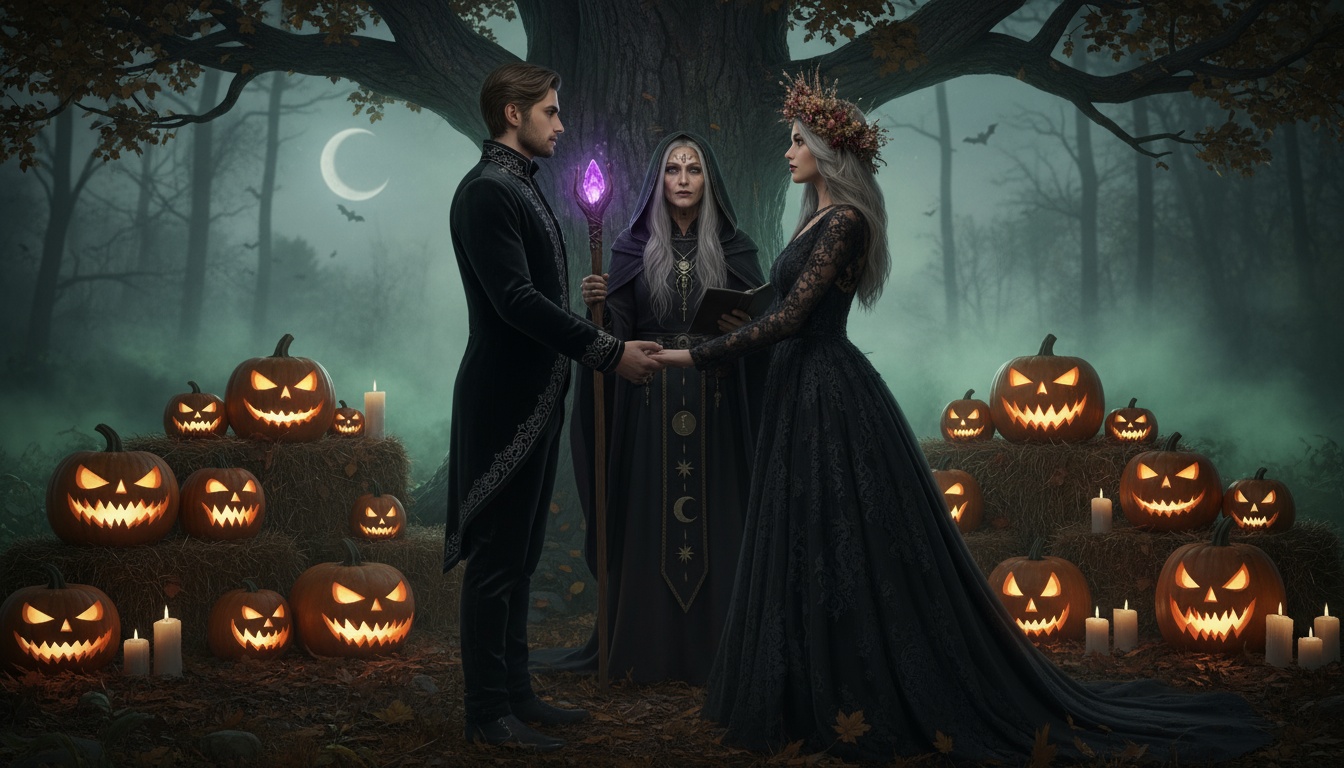
Forget the Salem witch trials, this is the story of a witch trial that was ten times bigger. The Basque Witch Trials – that occurred decades before Salem – was by far the biggest witch trial in history. Thousands of people were investigated by the inquisition. Tales of demonic worship, black sabbaths, and possession scandalised the 17th century public.
One woman claimed she was transformed into a house fly to make her way to orgiastic black sabbaths in the forest at night!
The Basque Witch Trials – unprecedented investigation!
Between 1608 and 1614, the Spanish Inquisition launched the biggest witch trial in history in the Basque country. Over 2,000 women – and men and children – were rounded up, imprisoned, tortured, and some were burned at the stake. This was ten times more than the number of people questioned in the Salem witch hunts in the 1690s. Some historians estimate that an astonishing 7,000 people were interrogated.
The lead inquisitor was Alonso de Salazar Frias. He toured the Basque Country (which straddles France and Spain) identifying witches. To his horror, he found a widespread belief in pre-Christian gods and spirits such as the Basque mother goddess Mari, a goat spirit called Akerbeltz, and siren-like creature who dwelt near rivers termed Lamiaks. The latter were beautiful, long-haired women with webbed duck feet who seduced men to their ruin.
Women possessed by Satan
There was clear evidence of witches flying through the skies. Salazar wrote they were usually on their way to a demonic Sabbath. Juana de Echegui confessed she adopted the form of a housefly while Catalina de Sastrearena became a raven. Marie Dindarte said the devil gave her lift to the sabbath.
Catalina de Aresu and Isabel de Castro had been present when the witches had conjured up storms. A local priest, Domingo de Velasco, confirmed that recent freak weather events had not been natural but “brewed up by the witches”.
Smashing up churches
Several of the accused claimed that Midsummers Eve, referred to by the church as Saint John’s Eve, was very important to them. In the village of Zugarramurdi, they would smash up churches, tear down crucifixes, and place holy statues face down. Salazar Frias was told that the Devil instructed the witches that hell wouldn’t hurt them any more than a normal fire and for that reason, they lit fires and danced through them.
In 1610, out of two thousand suspects, six witches were burned alive and five in effigy – because they had died in prison. The Basque Witch Trials were then suspended while the inquisitors got more evidence. Salazar Frias carried with him an ‘edict of grace’ offering a pardon to those who turned evidence on witches in their communities.
But as the months passed, Salazar Frias became disillusioned. In 1614, he sent his voluminous files to the Inquisitor-General in Madrid who ordered an immediate halt to all activity. After this, the Spanish Inquisition showed less interest in witch hunts having more bitten off more than it could chew in the Basque country.
However, on the French side of the Basque country, another inquisitor was showing far more determination than Salazar Frias, who had got cold feet. The Basque Witch Trials were far from over!
The dreadful Pierre de Lancre
A French inquisitor from Bordeaux, Pierre de Lancre, had written three books on witchcraft. De Lancre believed that Satan avoided sex with single women, preferring to tempt married women. He also said that demonic children were usually the product of incest between mothers and sons – though it sometimes happens after sex between a he-goat (the Devil in disguise) and a witch.
He oversaw The Basque Witch Hunt in the French half of the Basque country, from 1609, that was far more blood soaked than the Spanish investigation led by Salazar Frias across the border.
It all began when the Lord of Urtubi was accused of being a witch. He asked De Lancre to come and prove his innocence. But in just under a year, De Lancre had managed to burn seventy people at the stake for witchcraft, including several priests. He estimated that there were three thousand witches in the vicinity, which was 10% of the population.
De Lancre wrote that an accused, Jeanette d’Abadie, “saw witches transform themselves into wolves, dogs, cats, and other animals”. Then by washing their hands (or paws) with “some kind of water from a jar” they transformed back into themselves. A young girl, María de Ximildegui, had been taken to a party by a friend, Catalina, in 1606 or 1607 and it turned out to be a witches’ sabbath with the devil seated on a throne in the middle.
Families in the area were so terrified, De Lancre wrote, that they slept in churches so that witches wouldn’t kidnap their children, take them to sabbaths, feast on their dead bodies, or have intercourse with the devil. In 1612, De Lancre even produced a report – Tableau de l’Inconstance des Mauvais Anges et Démons – that included a fold-out engraving of naked feasting, devil-worshipping, and lewd acts – all intended to be instructive of course.
If you would like to know more about the Knights Templar – I’ve just gone and written a book for you. The Knights Templar: History & Mystery published by Pen & Sword and available on Amazon, Waterstones, WHSmith, and Barnes & Noble. Get your copy today!