A woman who wanted to be pope. A man who wanted to murder the inquisition. And a pope accused of being in league with Satan. The year 1300 was certainly memorable. A new century was welcomed with an explosion of heretics across Europe. The stage was set for a violent confrontation between those who rejected the power and might of the Roman Catholic church and the papal inquisition – determined to send these heretics to the flames.
In the year 1300, Pope Boniface VIII declared the first Jubilee Year in the Roman Catholic church. The Jubilee was established as a time for spiritual renewal, granting indulgences to those who made a pilgrimage to Rome and visited the designated basilicas. It was also a superb money raising exercise and also shored up the prestige of Boniface who had faced allegations of murder, corruption, and even satanism.
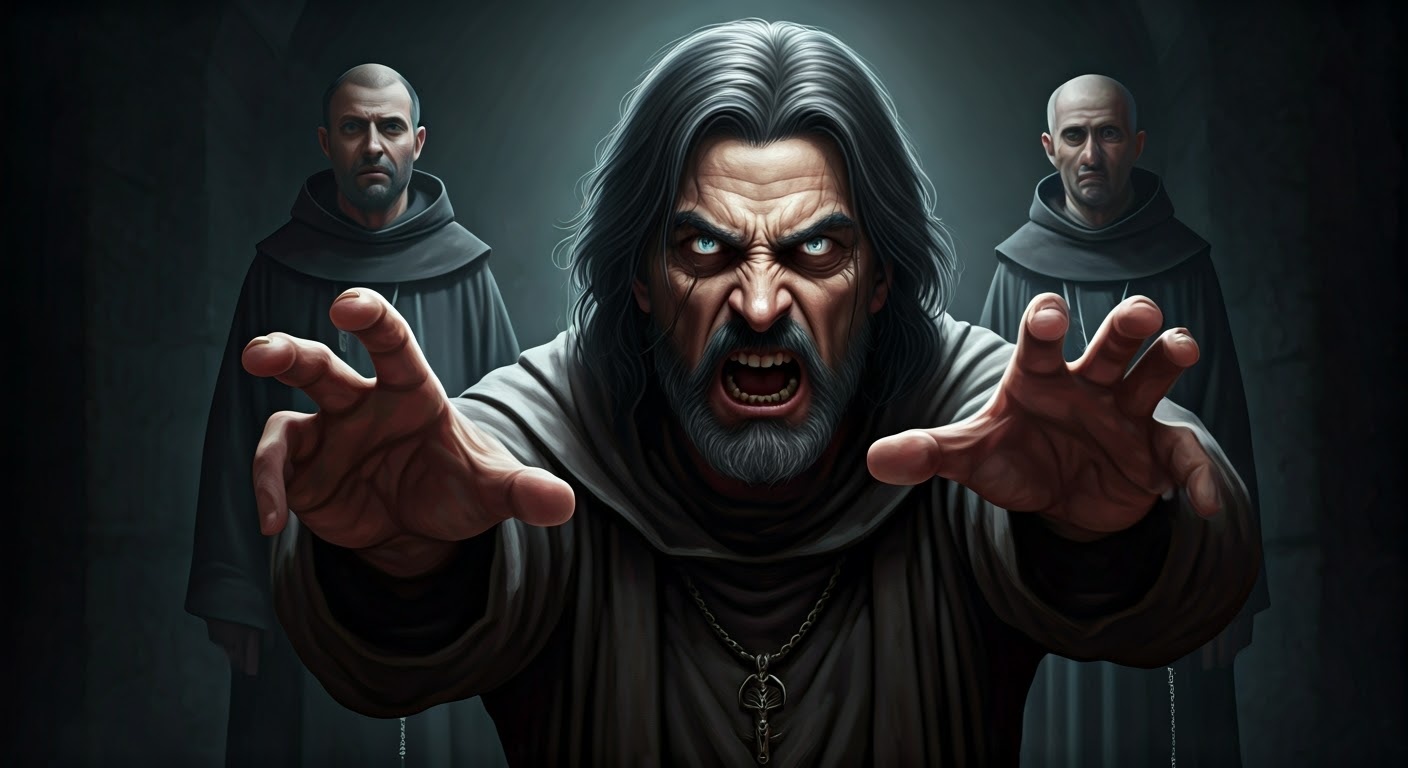
The power of the papacy was at its height but this trigged a wave of opposition from a growing number of heretics. These were people who denied the teachings and practices of the church. Boniface became increasingly paranoid about these religious rebels and unleashed the full power of the papal inquisition against them. Specially trained inquisitors, often in the Dominican order of friars, fanned out across Europe to arrest and execute the heretics.
Armanno Pungilupo – the wolf killer
Among the heretics absorbing the inquisition’s attention in 1300 was a man who had died over thirty years before, in 1269. His name was Armanno Pungilupo (the surname can translate as “wolf killer”). When he passed away, the local church venerated him as a potential saint and gave him an impressive burial. This led to a decades long bust up between successive bishops of Ferrara who thought the local boy was a saint and the inquisition who had a dossier on Pungilupo suggesting very much the contrary.
Pungilupo grew up in the Italian city of Ferrara and it was believed his mother was part of the notorious Cathar heresy. He may have been born in the 1220s and by 1247 was recorded performing good Christian deeds among the poor and needy. But in 1254, two inquisitors, named Aldobrandino and Egidio, arrested and tortured Pungilupo on suspicion of being a secret Cathar. He confessed, paid a fine, and was set free.
After he died in 1269, Bishop Pandoni of Ferrara began the process of turning him into a saint. There had to be evidence of miracles happening as a result of prayers to Pungilupo. That proved to be no obstacle. Pilgrims visiting his tomb claimed to be cured of tumours and other diseases. A man on trial for murder told the bishop that he had got off the charges through the intercession of Pungilupo from beyond the grave!
However, the inquisitor Aldobrandino – who had tortured Pungilupo fifteen years before – was having none of this. He submitted evidence that the dead man had hung out with other heretics and attended forbidden Cathar rituals. From 1260 until the end of the century, local bishops and the inquisition were at loggerheads. One side claimed he was a holy man and the other believed he had been thoroughly evil. In 1300, Pope Boniface VIII ordered the Guido da Vincenza, a leading inquisitor, to dig up Pungilupo’s remains and have them burned.
Maifreda da Pirovano – the female pope
But this was not worst of the heresies in 1300. For example, there was Guglielma, an Italian noblewoman of Bohemian ancestry, who promised to resurrect, after dying, as the Holy Spirit, to establish an all-female church on Earth. This proved to be a very popular idea gaining a large following. The local church saw nothing but goodness in Guglielma, building a magnificent tomb over her coffin. But in Rome, Pope Boniface hit the roof.
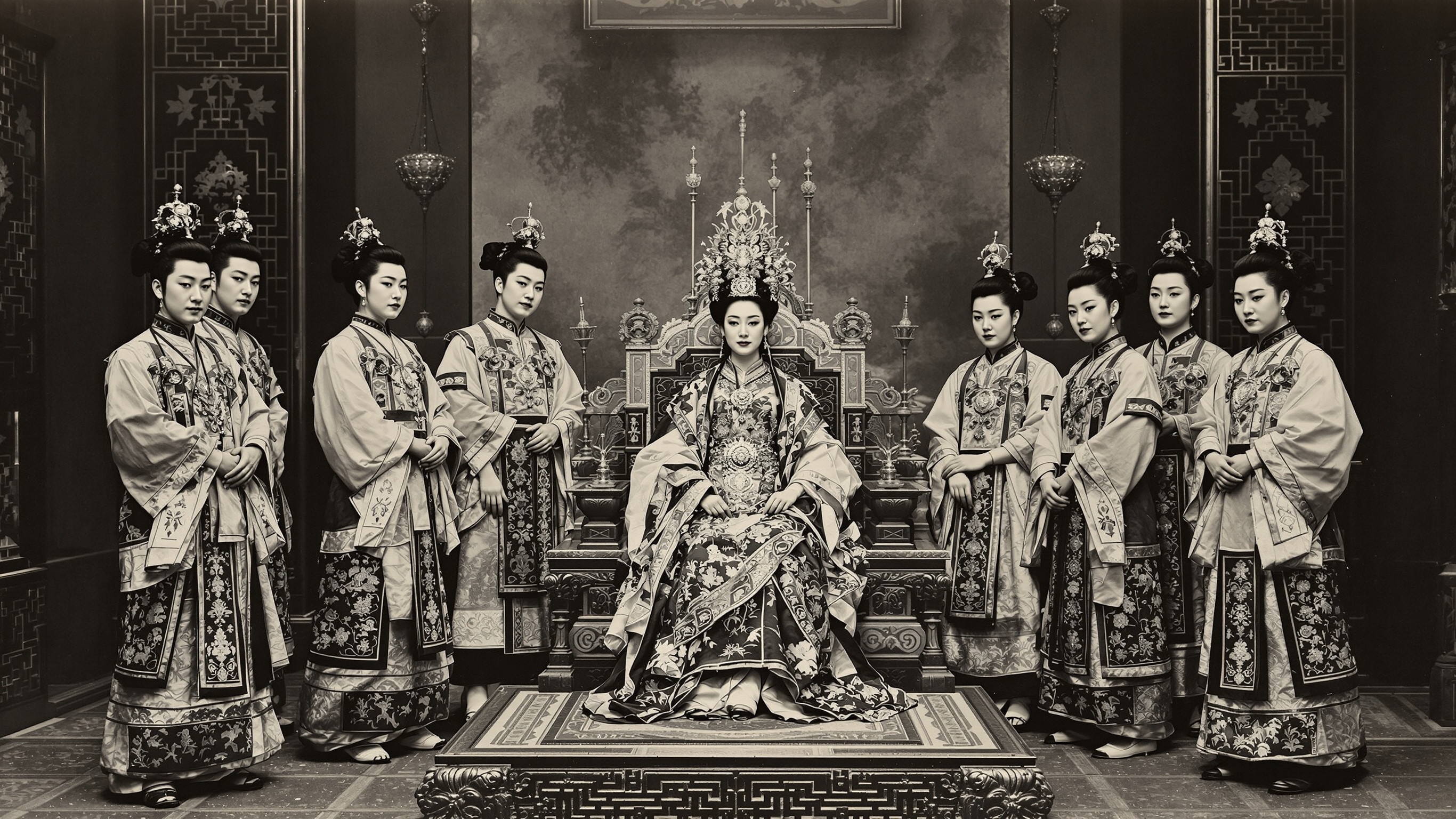
One of Guglielma’s followers, a woman called Maifreda da Pirovano, was hailed as the next pope-in-waiting. Once Boniface was dead, the church would be led by a woman. This proposed feminisation of Roman Catholicism disgusted His Holiness so much that he ordered the Inquisition to hunt down Maifreda and burn her at the stake as a heretic in the year 1300. As for Guglielma, her bones were disinterred and also burned in public.
DISCOVER: Sexuality and the Inquisition – a grim history
Rise of the Apostolic Brethren
Then there was Gerard Segarelli whose Apostolic Brethren recruited many in northern Italy at the start of the fourteenth century. There’s no doubt about it – 1300 was a bumper year for heresies! Segarelli was born around 1240 and after being rejected by the Franciscans to be a friar in their order, he set up his own movement. His followers earnestly believed that he should become the next pope.
The Apostolic Brethren spread to Germany, Spain, and even England. This proved too much of a threat for Boniface who ordered arrests and in 1300, the Grand Inquisitor of Parma put Segarelli on trial, found him guilty, and had him burned at the stake.
If you would like to know more about the Knights Templar, then get your hands on a copy of my book: The Knights Templar – History & Mystery. Published by Pen & Sword and available on Amazon, Waterstones, Barnes & Noble, and WHSmith. Don’t miss out on your copy!